
A reintroduction to Pilates Native: Who we are and what we do
Hi there, what’s up, what’s going on, how are you?
Somehow it’s already mid-September. My kiddo started 7th grade, the front yard grass removal and pollinator garden is (finally) finished, the studio’s painted, and I managed to majorly botch a logo decal install. 😅 After a whirlwind summer of trails, dirty finger nails and back-to-school chaos, September feels like a great place to land, take a breath and reset.
With new folks joining us in the studio and regulars finding their groove again, now feels like the perfect time to reintroduce ourselves.
So hey, hi! Welcome to Pilates Native. I’m so glad you’re here.
🌿 What We’re About
Pilates Native is all about making movement work for your body. We specialize in helping people with injuries, hypermobility and hEDS, prenatal and postnatal needs, athletes, and anyone who wants to move with more strength and less pain.
Our sessions focus on learning how your body works, building core strength, and creating movement patterns you can use in real life. Whether you’re training for the trails, bouncing back after pregnancy, managing an injury, or just tired of waking up achy, we’ve got you covered.
We are also deeply committed to training quality instructors with real world experience.
🤝 Who We Are
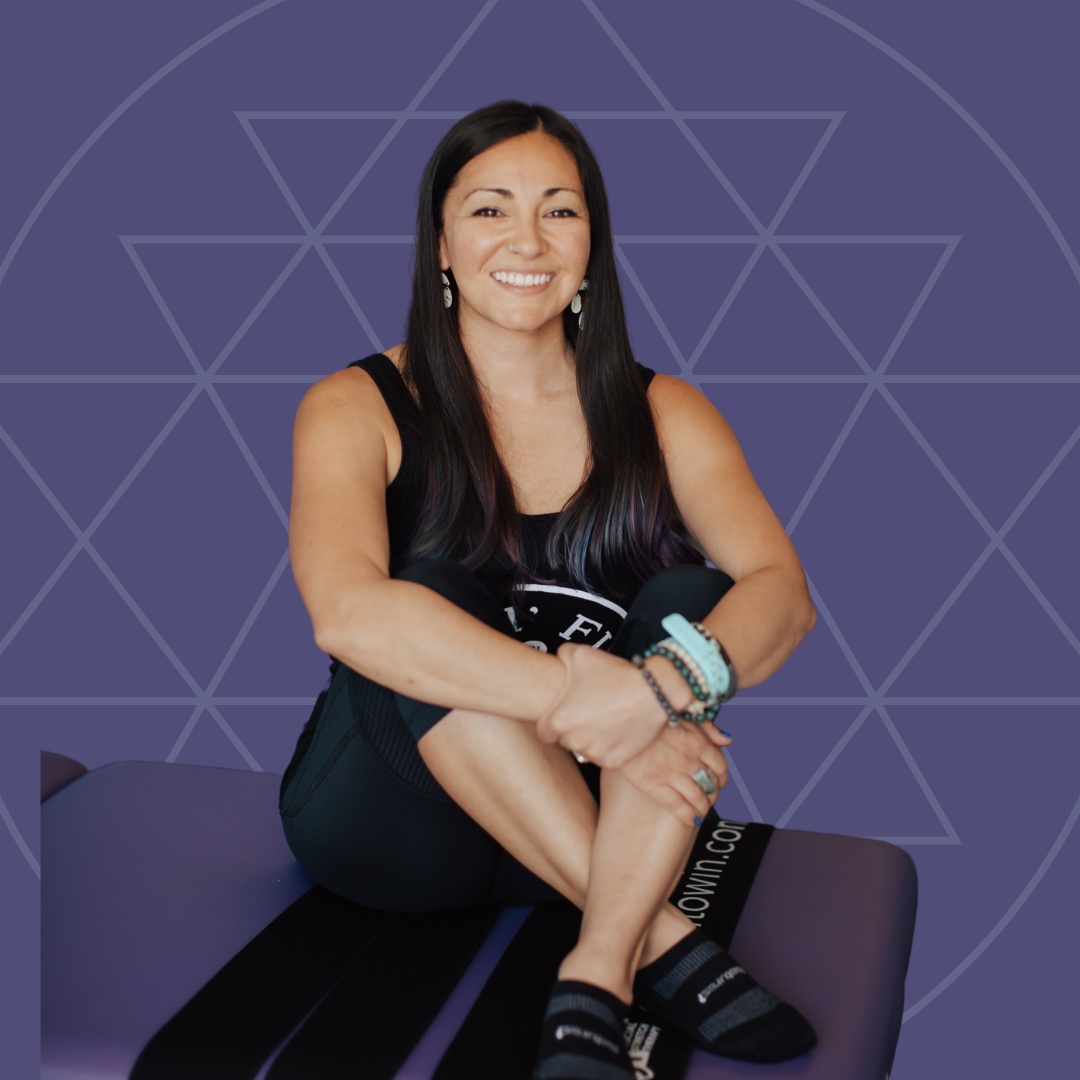
Rubecca – Owner, Pilates Instructor, FST Stretch Therapist
Engineer turned Pilates teacher, studio owner, stretch therapist and forever student of movement. I built Pilates Native to make Pilates more accessible to more people. I spend an incredible amount of time geeking out about the body, movement, sports and brains.
Sessions with me will feel delightfully weird, thoughtful, and peppered with fun science facts. While I probably won’t remember right from left or count properly to 8, I will genuinely care about your progress and recovery.

Laura – Pilates + Thai Yoga/Massage
Originally from Buffalo, Laura brings a strong direct teaching style to the studio. While she’s got an eye for those small details and excels at the foundations, she also brings the heat. Laura will mindfully take you past your comfort zone while keeping it safe and playful. She has a knack for spotting exactly what your body needs and taking you there.
Pilates sessions with Laura feel like a fiery mix of tough love and woo-woo magic. They’re straight forward, challenging and super fun. Laura’s Thai Yoga sessions are an incredibly relaxing blend of stretch, massage and energy work that can’t be matched.
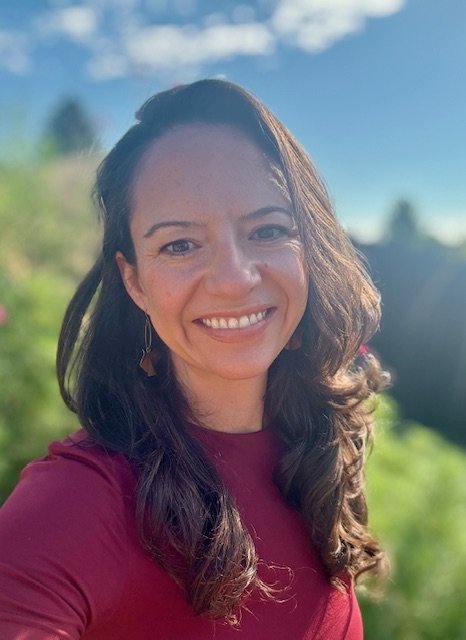
Allison – Our newest instructor
Allison is warm, encouraging, and full of energy. She trained with Pilates Native/Pilates Plus and has started offering sessions at Pilates Native. She’s already developed a reputation for fun, safe sessions that help clients feel confident in their Pilates practice.
Sessions with Allison feel like moving with your best cheerleader at your side. These sessions are fun, encouraging, and confidence-boosting from start to finish.
Isabella – Virtual Assistant
Isabella first joined Pilates Native as a student client, then an intern and now supports the studio as our virtual assistant. She’s on the path to becoming a professional ballerina and between her ballet trainings and real job in California, Isabella handles all of our booking, creates graphics, and helps keeps things organized behind the scenes.
She is one of the few people who can read Rubecca’s handwriting, meaning she will probably have to stay on the team forever.
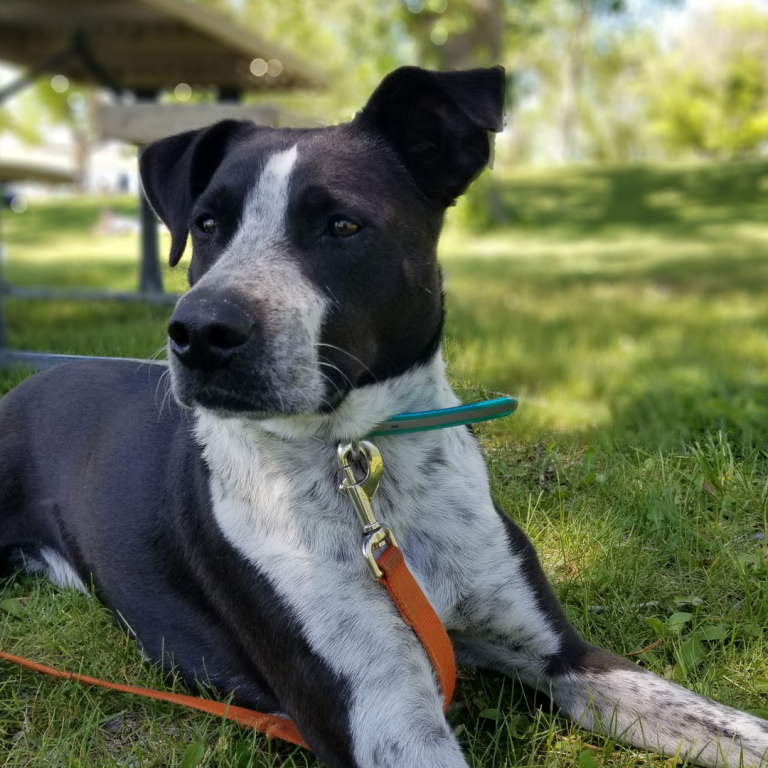
Roscoe – El Jefe
The real boss of the studio and our four-legged mascot.
Roscoe is great at greeting clients, warming up mats, providing balance challenges and occasionally supervises classes between naps.
🪷 What We Offer
Here’s a quick list of everything you’ll find at our studio:
Private Pilates sessions – one-on-one support, fully tailored to your goals.
Duets – train with a friend, partner, or family member. These two-person sessions give you the personal attention of privates with the fun and motivation of working alongside someone you know.
Small-group equipment classes – blends of reformer, tower, chair, and mat with no more than 3-4 folks per class.
FST Stretch Therapy + Thai Yoga Massage – assisted stretching that helps you release tension and move with more ease.
Special Pop-Ups & Community Classes – monthly themed sessions and events that keep things fresh and fun.
Special Populations Expertise – we work with athletes, hypermobile/hEDS clients, prenatal & postnatal parents, men, and student athletes. Sessions are available in-studio or over Zoom.
Comprehensive Pilates Instructor Training – A 450-hour comprehensive program for those who want to go deeper, whether your goal is to teach or just to understand Pilates on a whole new level. We’re proud to train the next generation of knowledgeable, detail-oriented instructors.
🌟 What Makes Us Different
There are plenty of places to do Pilates, enjoy Stretch Therapy, or enroll in Pilates Teacher Training. Here’s what sets us apart:
Engineer’s Eye for Detail – I’m not just a Pilates instructor; I’m also a Mechanical Engineer with 15 years of QA/QC experience. That background means I notice the small details: alignment, breath, muscle engagement. Those refinements are what transform a good session into a game-changing one.
Equipment for Every Body – Our reformers, towers, and chairs are adaptable for a wide range of bodies, heights, and abilities. We make sure the equipment works for you, not the other way around.
Small + Personal –Whether it’s group class or Instructor Training, we keep things intentionally small so you get real attention and support while also enjoying being a part of a small community.
Specialized Knowledge – From athletes to prenatal/postnatal clients, to hypermobility and hEDS, we have the training and experience to help you move safely and effectively.
Stretch + Strength – We don’t just build core strength. We balance strength with recovery through stretch therapy, Thai yoga massage, and mindful movement.
Trauma-Informed Studio – We honor that every body carries its own story. Our instructors are mindful, respectful, and committed to creating a safe, supportive environment for movement.
Clear + Upfront Pricing & Policies – No hidden fees, confusing memberships, or fine print. We’re transparent about what things cost and how we operate, so you always know what to expect.
Instructor Training That Sets the Bar – Our program is rigorous, detail-focused, and built on real-world application. Every teacher we mentor learns how to work with diverse bodies, injuries, and special populations. Our program utilizes real clients as demo students and tuition is all inclusive. Everything needed to certify is covered.
🌟 Why We Do It
Every instructor on our team came to Pilates because of injury or chronic pain. We know what it’s like to be in pain, to feel limited, and to be told what our bodies can and can’t do. Pilates gave each of us a way to rebuild and gave us a safe place to move when everything else felt impossible, scary or too hard. For each of us, Pilates has been the key that lets us keep lifting, running, hiking, dancing, doing yoga, and all of our other fun hobbies.
Whether you’re recovering, training, or just trying to feel less achy, we’ve been there, and we know how helpful Pilates and Stretch can be.
🍂 Come Hang Out
If you’ve been Pilates or Stretch curious or you’ve taken a break and want to get back to it, September’s a great time to jump in and try class, book a stretch, or just pop in and say hi. If you’re interested in Instructor Training, let’s chat! We have opportunities to start training in October or January.
Looking forward to seeing you in the studio soon!
-Rubecca
The Method Behind the Madness…part 3
Posted on February 21, 2022 by pilatesnative
Cueing for Maximum Impact
People always ask how a self proclaimed “ambivert” manages to run a Pilates studio and teach 20-25 hours a week.
One of my favorite ways to exist in this space as an ambivert while also prioritizing client needs, is to utilize mindful cueing. What this means, is that instead of a constant stream of cues, I am very mindful and aware of how and when I’m cueing clients.
Enhancing the Mind+Body Connection
We talk a lot about proprioception and the mind+body connection in Pilates. As a Pilates instructor, my job is to help guide you into deeper connection and help you develop those neural pathways between your body and your brain.
Every Pilates Native client starts their journey with an Initial Assessment. During this assessment, I learn a lot about your body and how it works. Each exercise is chosen because it allows me to assess specific movement patterns and reveals imbalances, compensations, dominant patterns and how you engage your brain to move the body. During the assessment, I learn whether or not you can actively engage muscle groups or control your body during specific movements. I also learn whether or not you have the current functionality, whether it’s stability, strength or mobility, to perform certain movements.
When cueing, I rely on what we found in the Initial Assessment to set cueing priorities.
I’ve found that the best way to cue, is to
1) make sure you’re aligned safely and
2) focus on what you can currently connect to and control in the exercise.
Our first priority is always safety. Prioritizing proper alignment as our first cue ensures you’re engaged in a safe practice that won’t damage the body.
Focusing our second cue on what you can connect to and control, develops confidence and body awareness as you are able to follow and execute the cues.
Being able to connect to a muscle group and execute a cue properly is what helps us develop or strengthen the neural pathways between brain and body.
Cueing with a 2 item priority list creates an environment in which you’re maybe getting 1-2 cues over a course of movements. This is intentional. If you are being assaulted with a constant barrage of words, it’s going to be nearly impossible to connect your brain to your body.
Cueing to Accommodate Individual Anatomy & Ability
Every body’s anatomy is different. Spines, for example, are unique to each individual, with their own unique curvatures. A deeper lumbar curve doesn’t necessarily mean someone is not in neutral spine. Their neutral spine may just have a deeper lordotic curve. Cueing this person to a flat back or a “neutral spine” may actually cause harm or misunderstanding of their own body. Likewise, cueing someone with a naturally flatter spine to exaggerate their curves, would be equally inappropriate.
Frequently, we bump up against an exercise or a position that just isn’t accessible for one reason or another. Depending on your IA results, we may need to spend time developing the strength or mobility needed or we might just need to spend some time building awareness around the movement.
Other times, we may just be built a certain way. As an instructor, I’m always mindful of not cueing what a client cannot currently control anatomically.
Cueing to your current abilities allows us to work in a space where we can slowly open up the stability, mobility, strength or brain space needed to get into other movements.
Developing Stronger Intrinsic Body Awareness
When cueing, an instructor is providing external feedback. If a client becomes dependent on instructor cues and external feedback, they lose the opportunity to trust themselves and develop stronger body awareness.
One of the most powerful aspects of mindful cueing is creating space for you to experience Pilates intrinsically. During your sessions, you should always be given room and time to think, feel and move on your own.
Without external cues to validate every movement, your brain and body have to work harder to connect with one another and you really have to focus to build the body awareness.
We want the work we are doing to become intrinsic to your body, so we (safely) remove as many sources of external feedback as possible.
Trauma Informed Safe Space
Pilates Native is a trauma informed studio. This means the studio space is purposely designed to be a safe space for folks dealing with various forms of trauma.
In addition to the usual culprits we associate with mental, emotional and physical trauma, there can be a lot of trauma involved with everyday activities; injuries, surgeries, child birth, falling, work stress, or returning to exercise after illness.
When done mindfully with intention, Pilates is a type of somatic practice. The repetitive gentle movements can provide a safe space for folks to physically release residual stresses and complete the stress cycle.
Pilates can also provide a safe space to start accessing and reconnecting with the body after trauma.
Being overwhelmed with cues that may or may not be accessible totally inhibits the ability to release somatically. If you’re coming in to the studio wired to the ceiling or stressed to the max, you will not be getting a lot of cues. Your practice will prioritize somatic release. You will be getting a lot of familiar slow repetitive movements and a lot of space to explore and play in your practice.
Similarly, if you are joining the studio as a way to heal from a body trauma, your practice will focus more on creating safe and positive interactions with movement.
Distractions
Some instructors cue every movement from head to toe.
“Take a big strong inhale through the nose, being mindful of the ribcage flair, activating through the core to initiate, doming up through the arches, balanced across the feet, hips and shoulders are stacked, pelvis is neutral, allowing that doming at the foot to come up through the pelvic floor and moving up through the diaphragm, shoulders down away from ears, shoulder blades pulling down towards one another, head up, chin lifted, as we exhale, we extend.”
I HATE this style of cueing, both as a student and as an instructor.
What is the priority in that long list? Which of those cues were safety or form related? Which of those cues was relevant to the listener in the moment? What is the focus? How do we make it through that big long list checklist before exhaling into another long checklist?
Over-cueing sucks because it’s distracting, doesn’t provide a clear priority, disrupts focus and pulls you away from your ability to tune in.
If you need this type of instruction, that’s totally ok. We just won’t be a good fit to work together!
Different Instructors
If you’ve taken other fitness classes or Pilates classes, you know without a doubt that each instructor is different. We all have different styles and while we try to be well rounded, depending on our individual backgrounds, we may be more inclined to watch and cue specific areas more than others.
One of my favorite things about taking a week off is having one of our wonderful team members work with my clients for the week. Having a different instructor with a different eye, a different style and a different focus can really enhance your practice!
Your brain may have to work a little harder to connect with their speech patterns and cueing style. They may describe familiar movements differently, prompting different brain patterns to sprout.
They may have a cue that really resonates with you or puts the final piece into the puzzle, allowing you to unlock another level of movement.
Putting it all together
Cueing is an important part of a Pilates practice. A clear communication pathway between client and instructor is paramount to setting a good foundation. Cueing mindfully allows your instructors to give you cues that matter and add value to your practice, rather than just filling the room with words. Intentionally allowing space for clients to explore and understand the movement on their own terms allows room for growth and true development of body and brain connection.
This wraps up part 3 of “The Method Behind the Madness”, a monthly blog series focused on introducing you to what goes on behind the scenes at Pilates Native. Join me next month for Part 4, where we’ll talk about “Unlocking the Body” with muscle memory and intentional exploration of movement.
Take care and see you soon!
-R
The Method Behind the Madness…part 2
Posted on February 21, 2022 by pilatesnative
Mirror, mirror on the wall…
Normally, when you walk into a gym, yoga or Pilates studio, there is usually one long wall with floor to ceiling mirrors.
There are intentionally no mirrors in direct movement eye-line in my studio.
Developing Stronger Proprioception
The first reason has to do with proprioception, or the body’s awareness of self in space. Proprioception is about 75%-80% visual, meaning we use our vision to tell us where we are, what we’re doing and how close we are to other objects. The other 20%-25% is non-visual.
As a Pilates instructor, I am highly interested in that 20%-25% of non-visual proprioception because that’s where we see the body + brain connection really show up. How well do you perform when you can’t see what you’re doing?
Without mirrors, there is no external feedback to rely on to tell you what you’re doing. You have to think, feel and move on your own. What this means, is that your brain and body have to work harder to connect with one another and you really have to focus and build the body awareness.
This is also why we only teach private sessions. In group classes, it’s very easy to copy your neighbor and mimic what they’re doing and how they’re doing it. The problem is two-fold. One, by watching your neighbor, you’ve lost your brain-body connection and any proprioception work. Two, is that your neighbor’s body moves and responds differently than yours and it’s easy to train yourself into habits that don’t belong to your body. Our instructors do not demo entire classes physically with their own bodies for this same reason.
We want the work we are doing to become intrinsic to your body, so we remove as many sources of external feedback as possible.
Trauma Informed Safe Space
Pilates Native is a trauma informed studio. This means the studio space is purposely designed to be a safe space for folks struggling with various forms of trauma.
Mirrors can be highly triggering for people who are actively engaged in or are recovering from eating disorders, body dysmorphia, gender dysmorphia or negative self image.
Exercising in front of a mirror can be especially triggering and/or intimidating.
Distractions
The third reason we don’t have any mirrors is because they’re highly distracting. Instead of focusing on our form, posture or connection, we start analyzing what we look like or what we’re wearing. How many times have you gone to the gym and mid-rep noticed that your hair’s a mess or your socks are different colors? Maybe you use the mirrors to covertly copy the person next to you.
We live a very noisy world visually, so the less distractions we have, the better we can help train our focus and give our nervous system time to settle.
By removing mirrors from the studio space, we can focus on developing proprioception without external feedback, provide a safe space to practice and limit our distractions.